
AI Security Researcher · Engineer · Builder
Kishan N.
I build defensive security tooling and study how neural networks represent what they know - treating both as the same problem: understanding complex systems well enough to trust them. Featured in Marimo Newsletter #26 for training Chitti on MoLab GPUs.
- Years building
- 0
- Years building
- Certifications
- 0
- Certifications
- GitHub Projects
- 0
- GitHub Projects
About
The story behind the work.
It started with curiosity - the kind that asks “how does this actually work?” and isn’t satisfied until every layer has been peeled back.
That curiosity led from writing first programs to understanding networks, from breaking things ethically to building systems that protect them. Cybersecurity taught the importance of defense in depth.
AI opened a new frontier: not just building intelligent systems, but understanding how they represent and process information. Representation engineering - finding and modifying behavioral directions in activation space - is where those two paths converge.
Currently a CS student at Srinivas University, Mangalore, India - building toward AI security research and engineering opportunities globally.
Focus Areas
- AI Safety & Alignment
- Mechanistic Interpretability
- Representation Engineering
- Cybersecurity & Threat Detection
Technical Stack
- Python, PyTorch, Transformers
- PEFT, LoRA, Unsloth, TRL
- Linux, Docker, CUDA
- JavaScript, React, Node.js
Research Interests
- Behavioral direction extraction in LLMs
- Abliteration & controlled steering
- AI security tooling & red-teaming
- Blue team automation & SOC engineering
Every chapter built the next.
From first lines of code to the frontiers of AI research - chapter by chapter.
Projects
Each one treated as its own product - a problem, a solution, and what it taught me.
Chitti
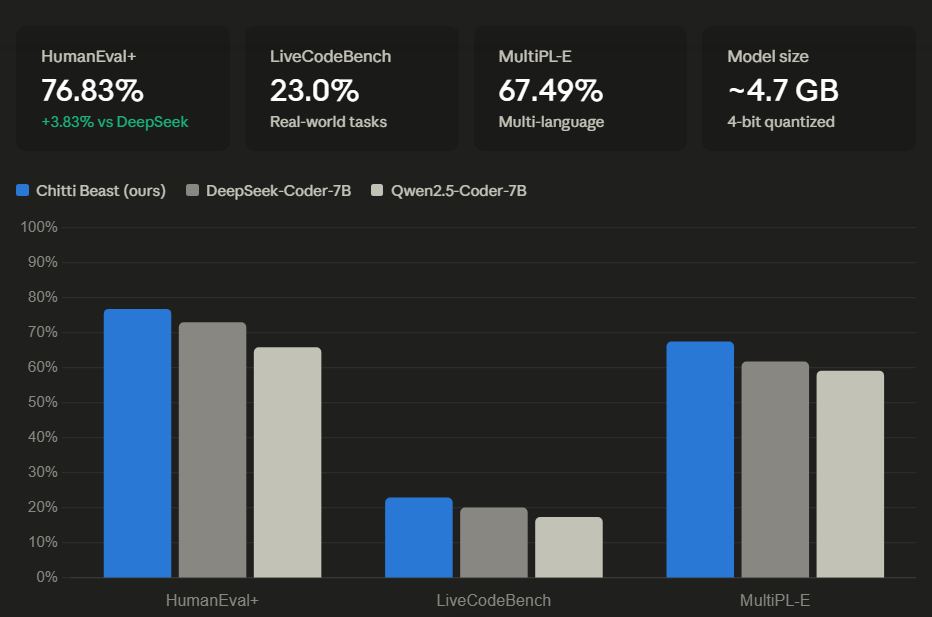
A 7B coding assistant fine-tuned for security research - built on Qwen2.5-Coder-7B-Instruct using abliteration + LoRA on MoLab's NVIDIA RTX PRO 6000 GPUs. Hits 76.83% on HumanEval+, outperforming DeepSeek-Coder-7B. Full pipeline: dataset curation, fine-tuning, benchmarking, chat interface - all in marimo notebooks.
BugHunter
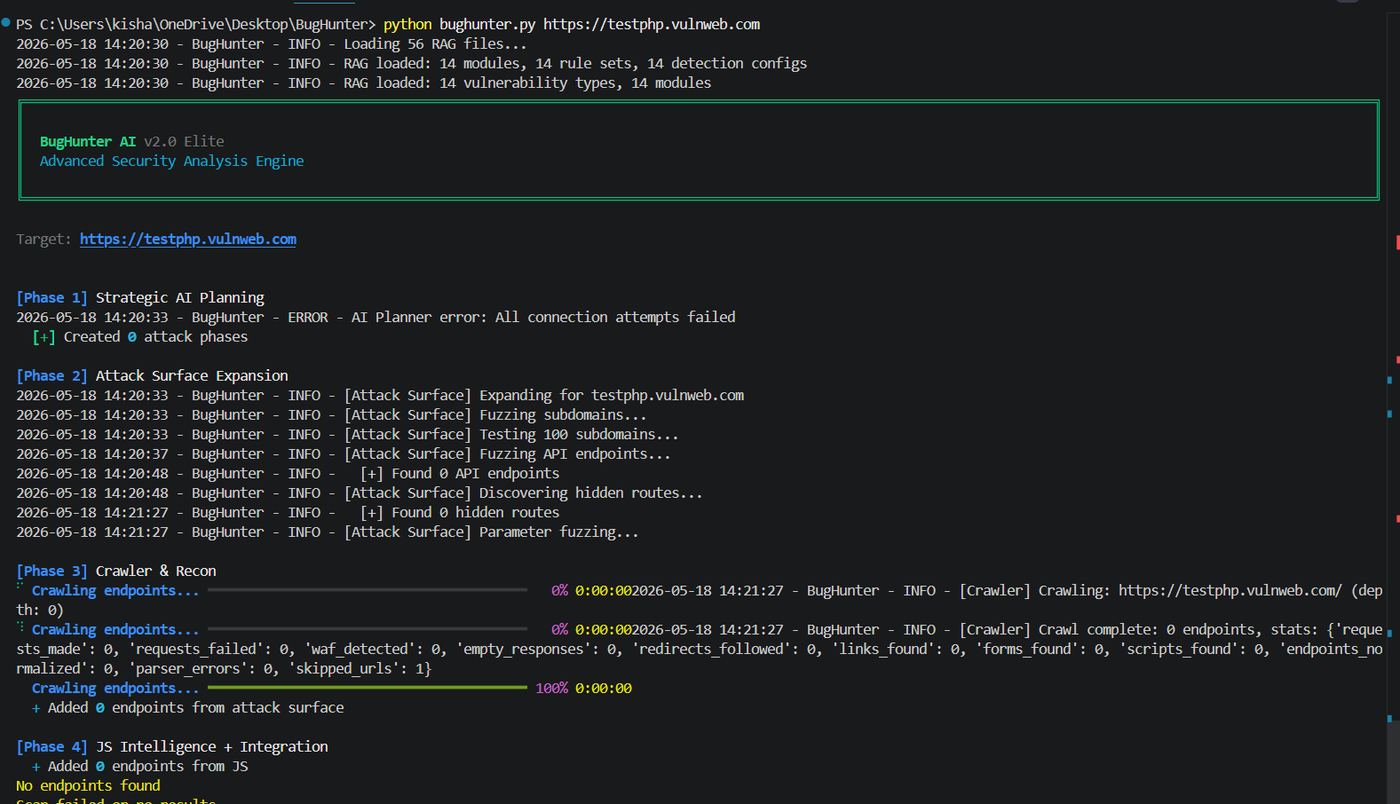
Automated bug hunting framework for security researchers - combines reconnaissance, enumeration, and vulnerability discovery into a unified workflow for efficient security assessments.
Aegis Sentinel
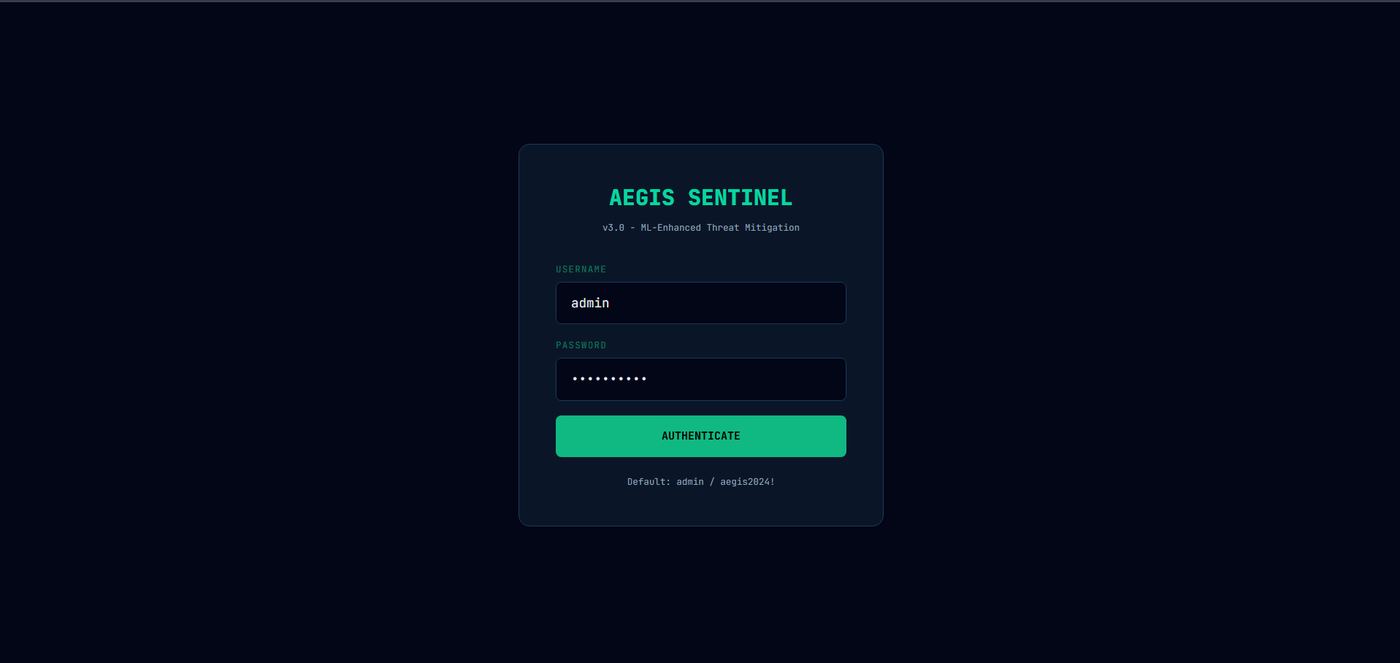
Real-time threat detection and SOC platform - multi-signal ML scoring, JWT auth, auto IP blocking, behavioral analysis. Rule-based + ML engine with 8 weighted features and a live Chart.js dashboard.
PACS Security Auditor
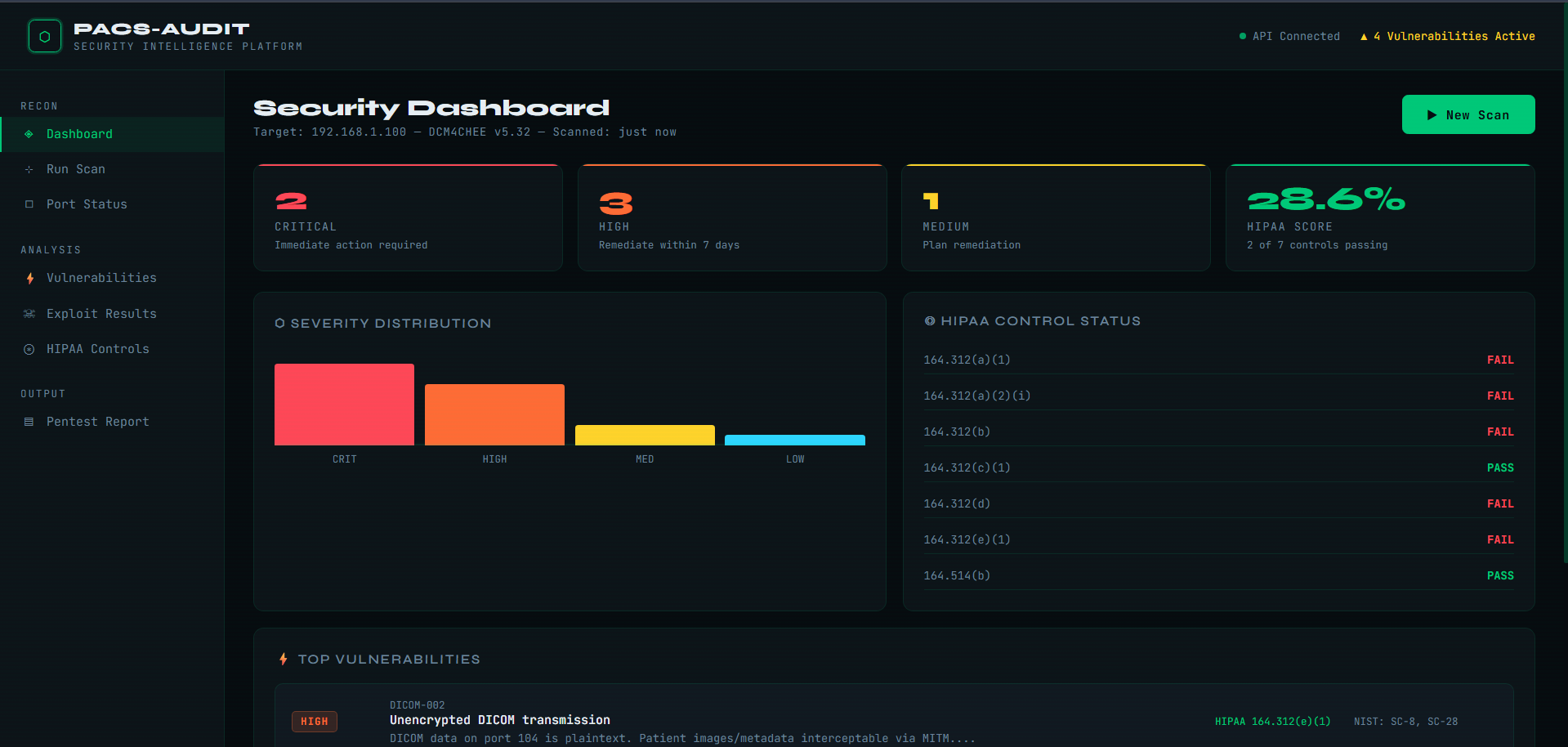
Full-stack DICOM/PACS security auditing platform - exploitation simulation, HIPAA compliance mapping (45 CFR § 164.312), real-time web dashboard. Tested on DCM4CHEE + Orthanc Docker lab.
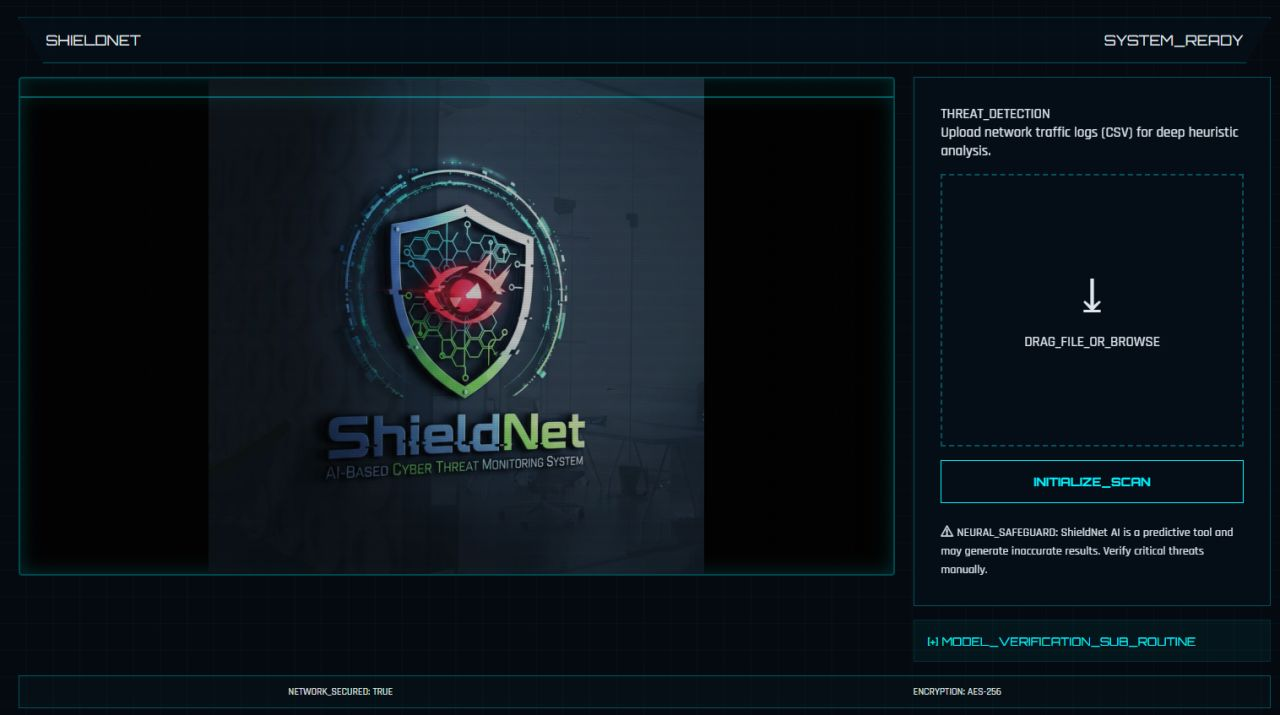
ShieldNet
AI-powered network IDS using ML + Deep Learning (ANN, CNN, LSTM) to detect DoS, DDoS, PortScan, and Brute Force attacks on the CIC-IDS2017 dataset. Flask web interface for real-time prediction.
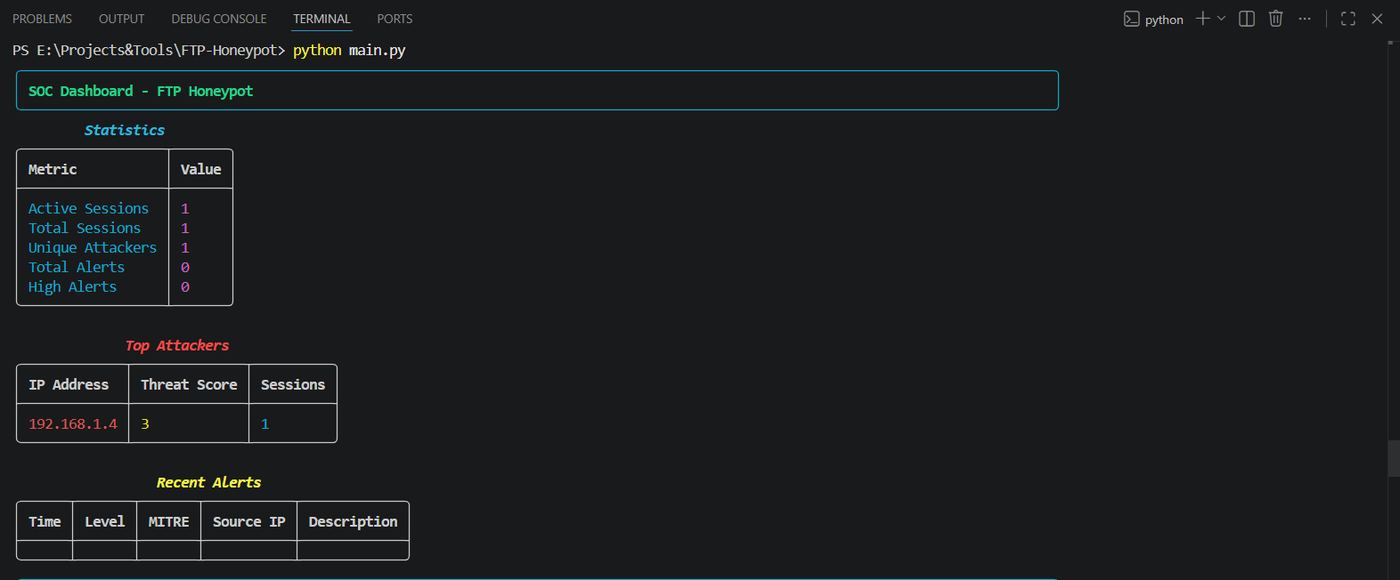
FTP Honeypot
SOC-grade deception platform - multi-threaded FTP server emulation with automatic MITRE ATT&CK mapping, threat scoring, session replay, and SIEM-ready exports. Built for blue team training and threat intelligence.
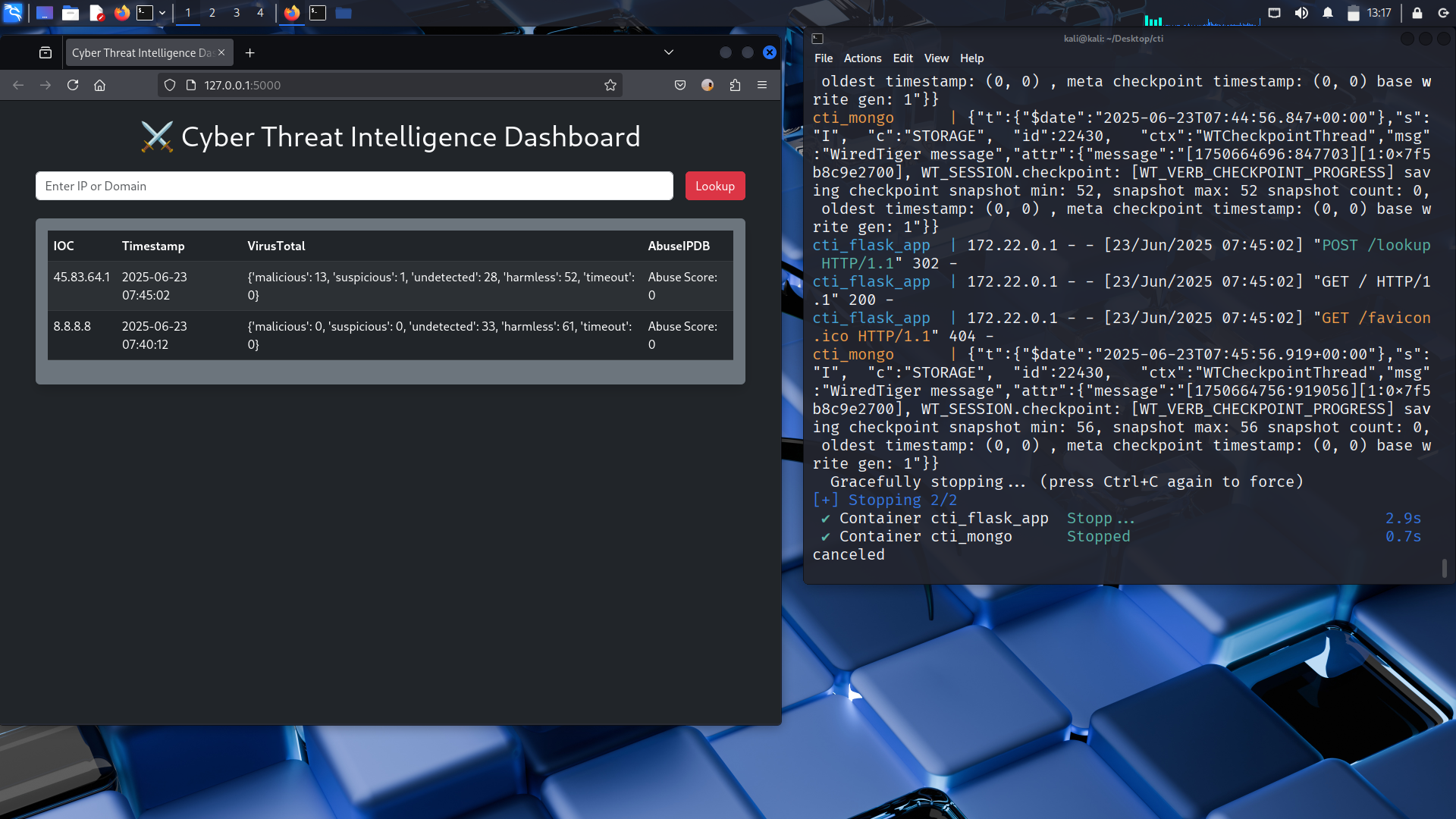
CyberThreat Intelligence
Dockerized CTI platform - IOC lookup via VirusTotal + AbuseIPDB simultaneously, MongoDB persistence, Bootstrap dark dashboard. Full Docker Compose stack, app factory pattern, live threat analysis.
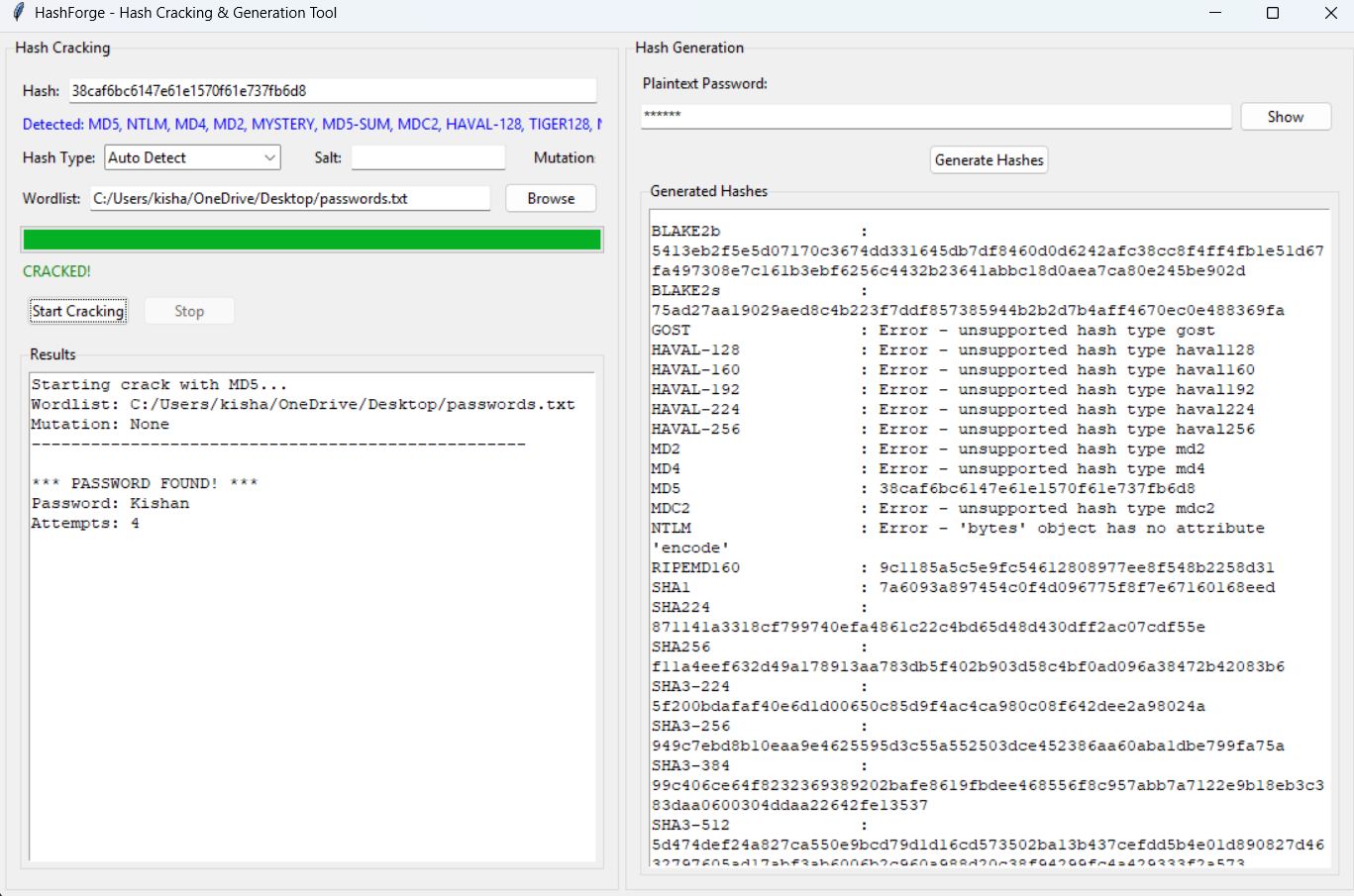
HashForge
Cryptographic hashing toolkit with support for multiple algorithms, hash cracking utilities, and integrity verification tools for forensics and security research workflows.
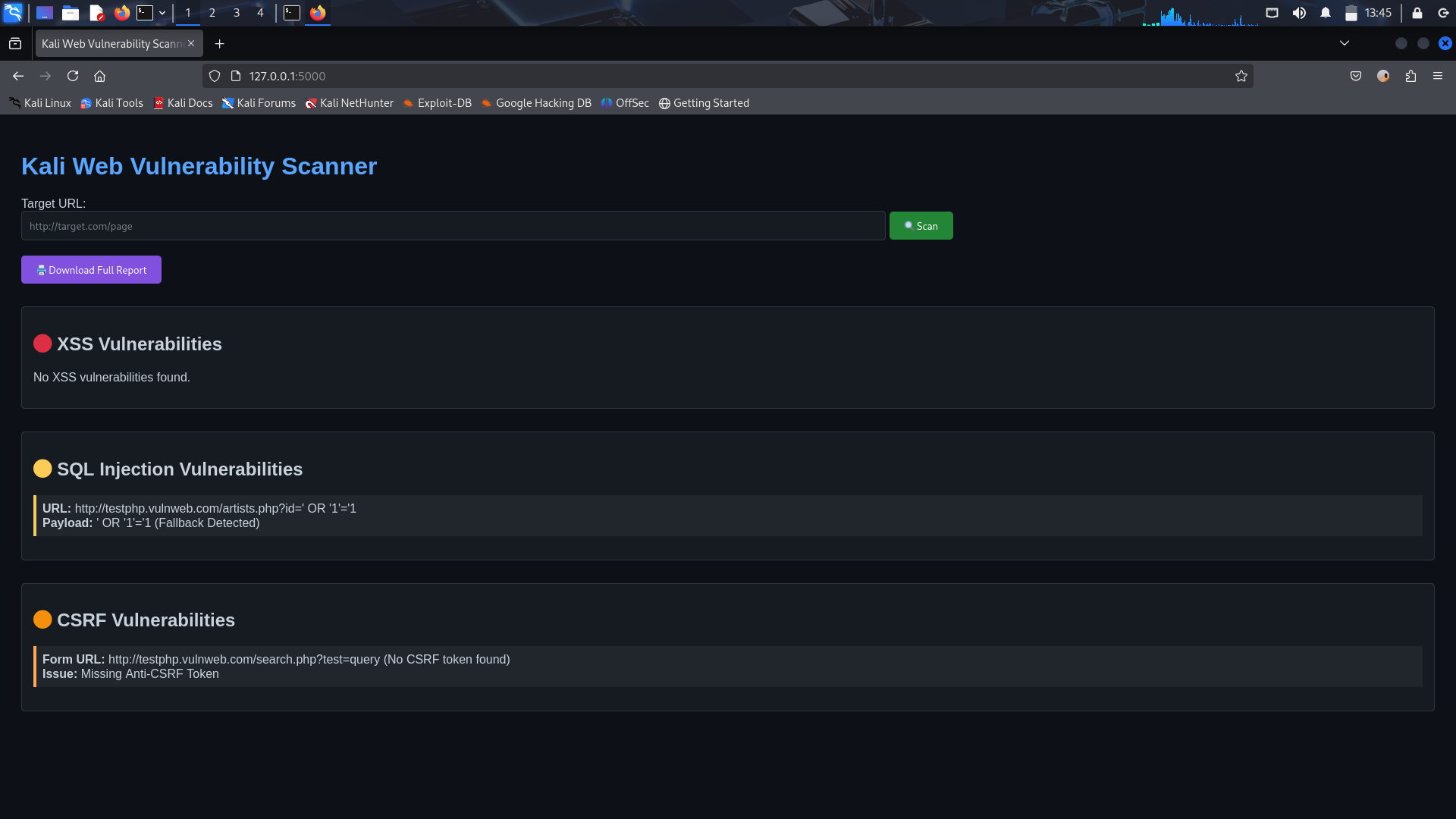
Web Vulnerability Scanner
Automated scanner for detecting OWASP Top 10 and common web application vulnerabilities - built for security researchers and bug bounty hunting workflows.
Chitti
Chitti is a 7B coding assistant fine-tuned for security researchers and professional developers - built from scratch on MoLab's NVIDIA RTX PRO 6000 Blackwell GPUs using abliteration and LoRA fine-tuning, entirely in marimo notebooks. It outperforms DeepSeek-Coder-7B on HumanEval+ and was featured in the official Marimo Newsletter.
Problem
Security researchers need coding assistants that engage with security-adjacent requests - vulnerability analysis, exploit understanding, defensive tooling - without reflexive refusals that treat every security topic as off-limits.
Solution
Fine-tuned Qwen2.5-Coder-7B-Instruct using a two-stage pipeline: abliteration (Representation Engineering at alpha=2.0 across all 28 layers) to remove the refusal direction, followed by LoRA fine-tuning on OpenCodeInstruct to restore and improve coding capability.
Architecture
Based on Qwen2.5-Coder-7B-Instruct. Training pipeline: dataset curation → abliteration → LoRA fine-tuning → model merging → benchmark evaluation. All stages built and run in marimo notebooks on MoLab's GPU infrastructure.
Benchmark Results
Beats DeepSeek-Coder-7B (73%) and competitive with models 2× larger
Above Qwen2.5-Coder-7B baseline (65%) - multilingual code generation improved
Competitive on real-world, competition-style coding problems
Training Pipeline
OpenCodeInstruct selection and filtering in marimo notebooks
Representation Engineering: refusal direction projected out of all 28 layers at alpha=2.0
PEFT / Unsloth LoRA training on MoLab's RTX PRO 6000 Blackwell GPUs
HumanEval+, MultiPL-E, LiveCodeBench across 10+ programming languages
REST API, enhanced inference pipeline, ongoing interpretability research
Recognition & Links
- Featured in Marimo Newsletter #26 - Training Coding Agents spotlight
- Guest blog published on marimo.io
- Model card: huggingface.co/K1shan/Chitti
- GitHub: Ki1shan/Chitti
Research
Working at the intersection of AI interpretability, security, and safety.
Active Work
Implementation and extension of Turner et al. (2023) - extracting behavioral directions from activation space, studying the alpha parameter's effect on capability-behavior tradeoffs, and discovering framing sensitivity as a novel finding. Interactive marimo notebook on MoLab.
Investigating the attack surface of AI agents - agent sandboxing, secure tool calling, prompt injection firewalls, AI identity and access control, and agent permission models. As AI systems become more capable and autonomous, the offensive security mindset becomes directly applicable to understanding and hardening agent infrastructure.
Exploring how AI agents can maintain persistent, structured memory across sessions - episodic, semantic, and procedural memory layers, knowledge graph integration, time-aware retrieval, and forgetting engines. Current systems treat memory as a vector database; the interesting research question is whether memory can evolve meaningfully over time without retraining.
Studying how multi-agent systems should be supervised, audited, and managed - conflict resolution between agents, permission hierarchies, agent lifecycle (birth, learning, evolution, retirement, knowledge transfer), and what an "operating system" for AI agents would actually look like at a systems level.
Building SOC-grade defensive tools grounded in MITRE ATT&CK - honeypots, threat scoring, and detection engineering. Bridging offensive security knowledge into actionable defensive systems.
Publications, Recognition & Community Work
Featured by the Marimo team for training Chitti entirely on MoLab's NVIDIA RTX PRO 6000 Blackwell GPUs - dataset curation, fine-tuning, benchmarking, and chat interface, all in marimo notebooks.
Technical writeup on the complete Chitti training pipeline - published on the official Marimo blog as a guest post, covering abliteration, LoRA fine-tuning, and benchmark evaluation methodology.
Submitted to MoLab Notebook Competition #2. Implements Turner et al. (2023) with toy NumPy examples, 2D activation space visualization, interactive alpha explorer, live before/after model comparison, and novel framing sensitivity findings documented as lessons learned.
Documented CTF solutions, penetration testing exercises, and vulnerability research. Practical offensive security knowledge that grounds the defensive tooling work.
Public documentation and technical investigation of a fraudulent internship scheme targeting CS students. Analysed the scam infrastructure, social engineering tactics, and published findings to protect the wider student community. An example of applied OSINT and community-first security research.
Certificates
Professional certifications with images - organized by discipline. Click any certificate to view.
Let’s build something.
Open to conversations on AI security research, interpretability, agentic systems, or security engineering. Whether you're building something ambitious, exploring a research idea, or just want to talk about what's next in AI and cybersecurity - reach out.